

You saw one post. One update. One person who looked like they already had the thing you have been quietly working toward, and something in your chest went tight. Within seconds you were measuring your entire life against a single frame of theirs. If you have ever stopped and asked yourself, why do I compare myself to others, you already know how fast it happens, and how much it can quietly hurt.
Most advice treats comparison like a bad habit to scold out of yourself. Be grateful. Stop scrolling. Count your blessings. But comparison is not a character flaw. It is a signal. Underneath the scorekeeping is a much older question, one that has almost nothing to do with the other person and everything to do with a fear you may have never named out loud.
Why Do I Compare Myself to Others So Much?
Comparison can feel automatic because, in a real sense, it is. Your mind is built to place you inside a group, to check where you stand, to keep you safe by keeping you aware of the room. For most of human history, being pushed out of the tribe was a genuine danger, so the brain learned to keep a running tally. Am I keeping up. Am I still wanted here. Am I safe.
The trouble is not that you compare. The trouble is what you compare. You take your inside, every doubt and delay and unfinished thing you know about yourself, and you hold it up against someone else’s outside, the polished sliver they chose to show the world. It was never a fair measurement, and it was never meant to be one. You are grading your rough draft against their highlight reel, then calling the gap a verdict on your worth.
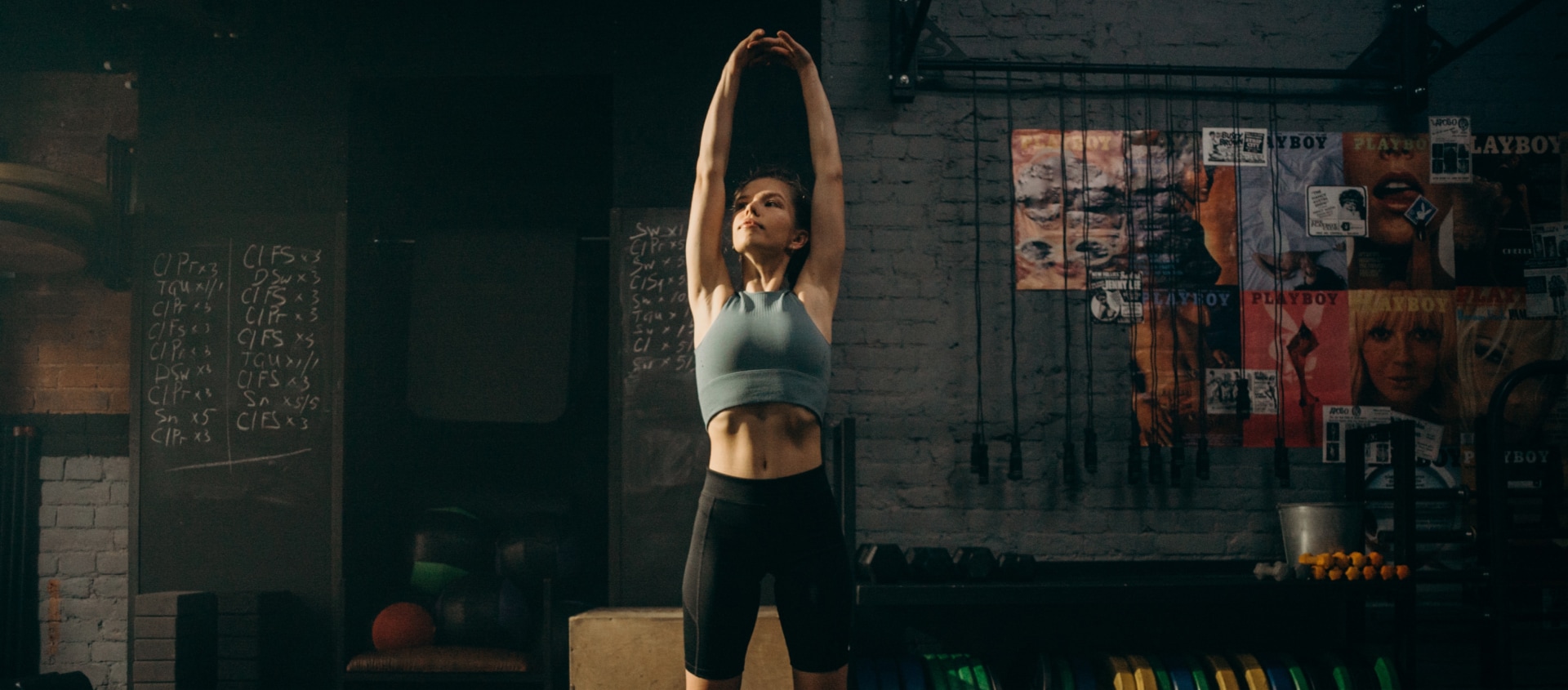
The Fear Hiding Underneath the Comparison
If you sit with the sting long enough, you find it is rarely about the other person at all. It is about a fear that you are somehow behind. That you are not enough as you already are. That if you ever stopped achieving and proving and reaching, you would be quietly left behind by the people whose approval you need. Comparison is the surface. Fear is the current running underneath it.
That fear usually has a history. Maybe love in your home arrived attached to performance. Maybe you were the child praised for being ahead, and somewhere along the way you decided that falling behind meant losing a connection you could not live without. So now, every time someone else moves forward, an old alarm sounds. It is not really saying they are better than you. It is saying you might not be safe.
This is why comparison can feel so physical, so sudden, so out of proportion to the small moment that set it off. You are not truly reacting to a stranger’s good news. You are reacting to an old fear that just got touched. Once you can see that, the whole thing starts to look less like a flaw and more like a wound quietly asking for your attention.
How Comparison Quietly Rewires Your Life
Left unexamined, comparison does not stay a passing feeling. It slowly becomes a way of living. You start choosing goals because they look impressive instead of because they are truly yours. You shrink your own wins because someone, somewhere, did it bigger and sooner. You put off starting the thing you care about until you are certain you will not embarrass yourself. Little by little, your life gets shaped less by what you want and more by what you are afraid of not having.
Comparison is the thief of joy, but more quietly, it is the thief of direction. It keeps you so busy watching everyone else that you forget to ask where you were trying to go.
That is the real cost. Not the momentary ache when you open an app, but the years that can slip by while you run someone else’s race and wonder why the finish line, when you finally reach it, never feels like home.
What the Comparison Is Trying to Protect
Here is a gentler way to hold it. The part of you that compares is not your enemy. It is a frightened protector. Long ago it learned that staying ahead was how you stayed loved, stayed safe, stayed included, and it is still trying to do that job with the only strategy it ever knew. Shaming it only makes it work harder in the dark.
You do not quiet that part by force. You quiet it by finally answering its question. When you can turn inward and know, on a level deeper than any achievement, that your worth is not up for a vote, comparison loses its fuel. This is the heart of the work we do at What’s the Fear, whether your path is learning to rise above self-doubt, to rebuild after someone taught you your value was conditional, or to reclaim the self you set down somewhere along the way just to keep up.
None of this means your goals are wrong, or that ambition is the problem. It means the engine matters. A life built to outrun a fear feels very different from the inside than a life built to move toward something you love, even when the two look identical from the outside. The invitation is not to want less. It is to learn to want from a place that is finally your own.
How to Loosen the Grip of Comparison
You will not think your way out of comparison, and you do not have to. You practice your way toward a steadier place. A few honest steps to begin with:
- Name the fear, not the person. When the sting hits, ask what it is actually telling you. Almost always it is some version of, I am afraid I am not enough. Naming it takes away half of its power.
- Measure against your own yesterday. The only honest ruler for a life is the distance between who you were and who you are becoming. Track that, and let everyone else run their own race.
- Curate what you consume. You are not weak for being moved by an endless feed of edited lives. Protect your attention like it matters, because it quietly shapes how you feel about yourself.
- Let their success mean something new. When someone gets the thing you want, practice reading it as evidence that it is possible, not as proof that you failed.
- Return to your own why. Ask what you genuinely want underneath the wish to be seen wanting it. Then take one small step that would only make sense if the goal were truly your own.
Comparison will probably never vanish completely, and it does not have to. It can become a much quieter thing, a tap on the shoulder rather than a sentence you serve. The moment you stop asking how you measure up, and start asking what you are so afraid of, something in you begins to loosen. You stop trying to win a race you never chose, and you start building a life that is actually yours.
If you are ready to find the fear sitting underneath the comparison and finally answer it, that is exactly where the work begins. You can find your path with us and take the first real step toward a self that no longer needs to keep score to feel worthy.
You were never actually behind. The scorekeeping is fear looking for proof that you are enough. The free, 10 minute What’s the Fear assessment helps you find the root of yours, then points you to the path built to meet it.